


As an avid enthusiast of paragliding, I have always been intrigued by the technological advancements that contribute to improving the performance and safety of this exhilarating sport. Among the various innovations in paragliding equipment, Nitinol Wire for paraglider stands out as a remarkable material that plays a pivotal role in reducing the weight of paragliders. In this article, we delve into the fascinating world of it and its significant contributions to the weight reduction of paragliders.
1. Introduction of nitinol wire
Nitinol, a unique alloy composed of nickel and titanium, possesses extraordinary properties that make it highly desirable for various applications, including aerospace and medical fields. One of its most notable characteristics is its shape memory effect, whereby it can revert to its original shape after deformation when subjected to specific temperature changes. This property, coupled with its superelasticity, makes Nitinol an ideal material for intricate applications where flexibility and durability are paramount.
2.The Role of Nitinol Wire in Paragliders
Firstly, Superelastic Nitinol Wire is famous for its shape memory and superelasticity in paraglider feild. This implies that it can return to its unique shape after misshapening and can withstand rehashed twisting without losing its auxiliary keenness. This property is pivotal in paragliders as it permits the wings to keep up their shape indeed beneath changing streamlined powers and amid maneuvers, guaranteeing steadiness and control for the pilot.
Additionally, Nitinol wire is lightweight however astoundingly solid, making it an amazing choice for lessening by and large weight without compromising security or solidness. This lightweight nature makes a difference in progressing the float proportion of the paraglider, permitting pilots to remain airborne for longer periods with less effort. The consolidation of it into the auxiliary system of paragliders empowers producers to plan wings with more complex and productive shapes. This can lead to improved streamlined execution, coming about in superior maneuverability and responsiveness for pilots.
Overall, the utilization of it in paragliders offers a huge number of benefits, counting expanded execution, made strides security, and a more pleasant flying encounter for pilots. As such, it remains a key component in the headway of paragliding innovation.
3. the Weight Reduction Benefits of nitinol wire in paraglider
The incorporation of Nitinol alloy wire into paragliders yields multifaceted benefits that directly contribute to weight reduction and overall performance enhancement. Firstly, it boasts an impressive strength-to-weight ratio, allowing for the creation of lightweight yet robust support structures within the paraglider's design. This results in reduced aerodynamic drag, which is crucial for achieving optimal glide performance and maximizing altitude gain during flights.
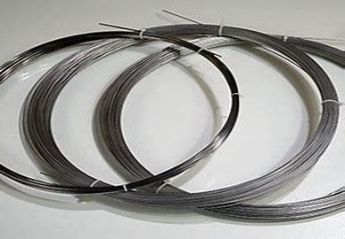
4.Benefits of using nitinol wire for paragliding
The ability of it to withstand repeated bending and deformation without experiencing fatigue is particularly valuable in paragliders. During flight, paraglider components are subjected to a wide range of forces and movements, including twists, turns, and fluctuations in wind conditions. Nitinol wire's resilience ensures that these components can maintain their structural integrity over time, even under such demanding conditions. This not only enhances the longevity of the paraglider but also contributes to pilot safety by reducing the risk of component failure during flight.
Moreover, the flexibility of Shape Memory Alloy Nitinol Wire plays a crucial role in optimizing aerodynamic performance. By incorporating it into the design of paraglider components, manufacturers can achieve smoother airflow over the surface of the wing, reducing turbulence and drag. This results in improved stability and control for the pilot, especially during challenging maneuvers or in turbulent air conditions.
Overall, the combination of enhanced flexibility and durability offered by it makes it an invaluable material for optimizing the performance and safety of paragliders, contributing to a more enjoyable and secure flying experience for pilots.
5.Temperature Sensitivity and Adaptive Capabilities
Another remarkable aspect of it is its temperature-sensitive nature, which allows it to adapt to changing environmental conditions during flight. As temperatures fluctuate, it undergoes predictable shape changes, enabling it to adjust its configuration in real-time to optimize aerodynamic efficiency. This adaptive capability ensures optimal performance across a wide range of operating conditions, from soaring in thermals to navigating turbulent air currents.
6.Safety Considerations and Regulatory Compliance
Absolutely, safety considerations are paramount in the design and manufacturing of paragliders, especially when incorporating innovative materials like Nitinol Wire for paraglider. To ensure the safety and reliability of Nitinol-based paraglider components, manufacturers must adhere to stringent quality control standards and regulatory guidelines.
One crucial aspect of ensuring safety is rigorous testing protocols. Manufacturers should conduct thorough stress analysis and fatigue testing on Nitinol components to assess their performance under various loading conditions and to identify any potential weaknesses or failure points. This testing helps validate the structural integrity and durability of Nitinol-based assemblies, ensuring that they can withstand the demands of real-world flight scenarios.
Furthermore, manufacturers must comply with relevant industry regulations and standards governing the design, production, and use of paragliders. These regulations often include requirements for materials, construction techniques, testing procedures, and performance criteria. By adhering to these regulations, manufacturers can ensure that their Nitinol-based paragliders meet the necessary safety standards and are fit for use by pilots.
In addition to meeting regulatory requirements, manufacturers should also prioritize ongoing quality control measures throughout the production process. This includes stringent inspection protocols to detect any defects or irregularities in Nitinol components before they are incorporated into paraglider assemblies.
7.Future Prospects and Technological Advancements
Looking ahead, the continued advancement of Nitinol technology holds immense promise for further enhancing the performance and safety of paragliders. Ongoing research and development efforts aim to optimize Nitinol alloys for specific aerospace applications, enabling even greater weight reduction and performance gains. Additionally, advancements in manufacturing techniques, such as additive manufacturing (3D printing), offer new opportunities for creating complex Nitinol-based components with unprecedented precision and efficiency.
8.Conclusion of nitinol paraglider wire
In conclusion, Nitinol wire in Paragliders stands as a remarkable innovation in the realm of paraglider design, offering unparalleled benefits in terms of weight reduction, flexibility, and adaptability. By harnessing the unique properties of Nitinol, manufacturers can elevate the performance capabilities of paragliders, providing pilots with a safer, more exhilarating flying experience. As technology continues to evolve, Nitinol remains at the forefront of materials engineering, driving innovation and shaping the future of aerial sports.For global procurement opportunities and collaboration with Zhanwo, please feel free to contact us at zhanwo2009@zwmet.com. We welcome inquiries and look forward to exploring mutually beneficial partnerships.


